
Cisco certification practice
Free 300-215 Practice Test
10 free 300-215 exam-style questions for Conducting Forensic Analysis and Incident Response Using Cisco Technologies for Cybersecurity v1.2 (CBRFIR 300-215), with answers, explanations and source references.
Full set: 131 questionsThe 300-215 CBRFIR exam, Conducting Forensic Analysis and Incident Response Using Cisco Technologies for Cybersecurity v1.2, is for security professionals who investigate incidents and analyze digital evidence. Passing it earns the Cisco Certified Specialist – Cybersecurity Forensic Analysis and Incident Response and meets the concentration exam requirement for CCNP Cybersecurity. The exam lasts 90 minutes, is offered in English, and costs $300 USD or Cisco Learning Credits.
Version 1.2 has five domains. Incident Response Techniques carries the most weight at 30 percent, so it is the area to study most deeply. Fundamentals and Forensics Techniques each account for 20 percent, while Forensics Processes and Incident Response Processes each make up 15 percent. Together the domains balance hands-on analysis techniques with the processes that guide an investigation from start to finish.
Answer the free practice questions below one by one and check each response before continuing. Read every explanation closely, since it explains the reasoning behind the correct option and why the others fall short. When you miss a question, note its domain and return to that section of the official exam topics, giving extra time to the heavier domains, before you try the questions again.
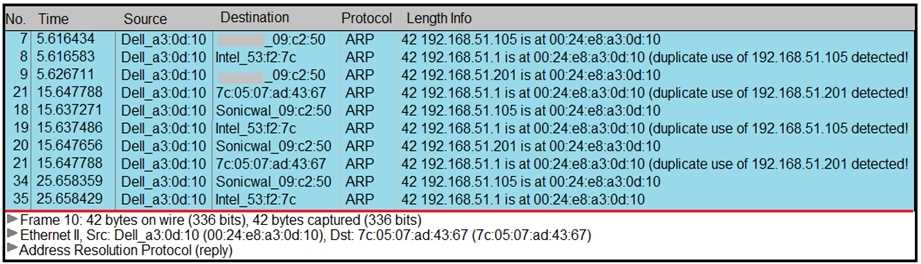 A security analyst notices unusual connections while monitoring traffic. What is the attack vector,
and which action should be taken to prevent this type of event?
 What is occurring?
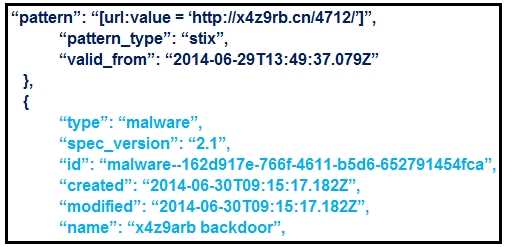 What is the IOC threat and URL in this STIX JSON snippet?
About the exam
300-215 exam at a glance
Key facts for the Conducting Forensic Analysis and Incident Response Using Cisco Technologies for Cybersecurity v1.2 (CBRFIR 300-215) exam, taken from the official exam page.
| Exam code | V1.2 |
|---|---|
| Time allowed | 90 minutes |
| Exam price | $300 USD (or Cisco Learning Credits) |
| Languages | English |
| Version status | Not retired. v1.2 minor update effective January 21, 2025; CyberOps Professional renamed Cybersecurity Professional. |
Source: official 300-215 exam page. Verified . Prices and policies can change, so confirm with the provider before booking.
Exam objectives
What the 300-215 exam covers
The 300-215 exam is organized into 5 official domains. Weight shows the share of the exam each domain represents, so spend your study time in proportion.
- Fundamentals 20%
- Forensics Techniques 20%
- Incident Response Techniques 30%
- Forensics Processes 15%
- Incident Response Processes 15%
Domains and weights from the official 300-215 exam outline.
Quick answers
300-215 exam FAQ
How many questions are on the 300-215 exam?
The 300-215 exam gives you 90 minutes to finish.
How much does the 300-215 exam cost?
The 300-215 exam costs $300 USD (or Cisco Learning Credits). Check the official exam page for the price in your country.
Source context
How this practice set is maintained
Maintained by the CertMage content team, this page loads questions from the exam dataset connected to its preparation resource. When an answer includes a supporting reference, it is shown with that answer so you can review the underlying vendor documentation.
Certification objectives, interfaces, and vendor services can change. Verify important details against the provider's current exam guide and documentation before your exam.
Reviewed by Alexandra Stone CISSP, CISM, CISA, Security+, CEH