
F5 certification practice
F5CAB2 Practice Questions
Try 10 free F5CAB2 exam-style questions for BIG-IP Administration Data Plane Concepts. Check each answer and review the explanation and source references.
- Exam code
- F5CAB2
- Provider
- F5
- Free questions
- 10
- Full set
- 67 questions
- Last update check
Refer to the exhibit.
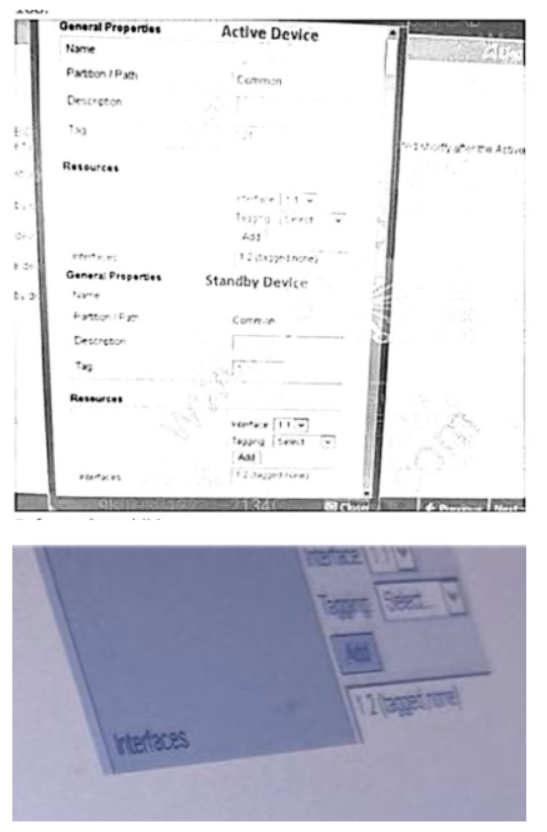 During a planned upgrade to a BIG-IP HA pair running Active/Standby, an outage to application traffic is reported shortly after the Active unit is forced to Standby. Reverting the failover resolves the outage. What should the BIG-IP Administrator modify to avoid an outage during the next failover event? (Choose one answer)
Refer to the exhibit. 

 The BIG-IP Administrator needs to avoid overloading any of the pool members with connections when they become active. What should the BIG-IP Administrator configure to meet this requirement? (Choose one answer)
Source context
How this practice set is maintained
Maintained by the CertMage content team, this page loads questions from the exam dataset connected to its preparation resource. When an answer includes a supporting reference, it is shown with that answer so you can review the underlying vendor documentation.
Certification objectives, interfaces, and vendor services can change. Verify important details against the provider's current exam guide and documentation before your exam.