As we move deeper into the digital age, cybersecurity has emerged as one of the most critical fields in the tech industry. With cyberattacks becoming more sophisticated and frequent, the need for skilled professionals to defend against hackers has never been greater. Among these professionals are ethical hackers, individuals who use their hacking skills for good, finding vulnerabilities before malicious hackers can exploit them.
But is ethical hacking a good career choice for 2026? What does the career entail, and is it as exciting as it sounds?
In this blog, we’ll explore the growing demand for ethical hackers, the skills required to succeed in this field, and the benefits and challenges of pursuing a career in ethical hacking. We’ll also look at salary expectations, job opportunities, and the certifications you’ll need to get started.
By the end of this blog, you’ll have a clear understanding of whether ethical hacking is the right path for your career ambitions.
What is Ethical Hacking?
Ethical hacking is the practice of intentionally probing computer systems, networks, or applications for vulnerabilities with the goal of identifying security weaknesses before they can be exploited by malicious hackers. Unlike black hat hackers—those who exploit vulnerabilities for criminal gain—ethical hackers follow a strict legal and ethical code of conduct.
Key differences between ethical hacking and black hat hacking:
- Ethical hackers are hired by organizations to test and secure their systems.
- Black hat hackers are criminals who exploit vulnerabilities for financial gain, espionage, or other malicious purposes.
Ethical hackers often work as penetration testers or security consultants. Their job involves performing tests, scanning systems for vulnerabilities, and advising organizations on how to improve their security infrastructure.
Some of the common responsibilities of an ethical hacker include:
- Scanning systems for known vulnerabilities
- Writing reports detailing security weaknesses
- Recommending changes to improve network and system security
- Conducting simulated attacks to test system defenses
Why Ethical Hacking is an Attractive Career Choice in 2026
The demand for cybersecurity professionals has skyrocketed in recent years, driven by the constant threat of cyberattacks and the increasing complexity of technological systems. According to Cybersecurity Ventures, global cybercrime damages are predicted to reach $10.5 trillion annually by 2026, making cybersecurity one of the most crucial areas for companies across all industries.
This surge in cybercrime has led to a corresponding increase in demand for ethical hackers. Businesses, governments, and organizations need cybersecurity experts who can identify and fix vulnerabilities before they can be exploited. Ethical hacking has evolved from a niche career to a critical component of modern cybersecurity strategies.
Here’s why ethical hacking is an attractive career choice:
- Rising Demand for Cybersecurity Professionals
The need for ethical hackers is growing exponentially as organizations realize the importance of securing their systems, especially with the rise of cloud computing, IoT devices, and big data. - Lucrative Salary Potential
As organizations are increasingly willing to pay top dollar for cybersecurity talent, ethical hackers are rewarded with competitive salaries and career growth opportunities. - Exciting and Impactful Work
Ethical hacking is a highly dynamic field, where you’re always learning and working on the frontlines of protecting sensitive data and information. It’s a career that’s intellectually stimulating and constantly evolving. - Global Career Opportunities
Cybersecurity threats are not limited by geography. Ethical hackers are in demand across the globe, whether it’s in government roles, financial institutions, or technology companies. This creates exciting opportunities for international career growth.
Skills and Certifications Required to Become an Ethical Hacker
Becoming an ethical hacker requires more than just curiosity about how systems work—it demands technical expertise, a strong problem-solving mindset, and a deep understanding of network security and cybersecurity principles. Let’s explore the essential skills and certifications that will help you succeed as an ethical hacker.
Core Skills Needed to Become an Ethical Hacker
To excel as an ethical hacker, you need to develop both technical skills and a strong ethical foundation. Below are the most important skills for anyone pursuing a career in ethical hacking.
1. Networking Skills
Understanding networks and how they communicate is one of the most important skills for an ethical hacker. You need to be familiar with:
- TCP/IP protocols: How data is transmitted across networks.
- Firewalls: How they function and how to bypass them (in an ethical manner).
- VPNs and Proxies: Tools used for masking or securing internet traffic.
- DNS: How domain name systems work, and how they can be exploited.
Ethical hackers often need to assess the entire network infrastructure to detect vulnerabilities that could be exploited in a man-in-the-middle attack or other malicious activities.
2. Programming and Scripting Languages
While you don’t need to be an expert coder, a solid understanding of programming languages is essential for writing scripts, tools, or exploits. The most common languages for ethical hackers include:
- Python: Widely used for writing automation scripts and network penetration tools.
- C/C++: For understanding memory management and exploiting software vulnerabilities.
- JavaScript: Useful in testing web application vulnerabilities.
- Bash/Shell Scripting: Often used for automating tasks on Linux systems.
- Ruby: Sometimes used in developing exploit scripts.
Knowing how to read, write, and manipulate code is crucial in both finding vulnerabilities and understanding the inner workings of programs and applications.
3. Knowledge of Operating Systems
An ethical hacker must be comfortable working with multiple operating systems (OS). The two most important OS for ethical hackers are:
- Linux: A majority of penetration testing tools are built for Linux systems, and Linux is often used in the field for testing environments. Proficiency in Linux commands and shell scripting is essential.
- Windows: Many businesses use Windows-based systems, so ethical hackers must understand Windows internals and the tools specific to testing vulnerabilities in Windows environments.
4. Understanding of Security Concepts
Ethical hackers need a strong foundation in network security and cryptography. These areas help you protect against data breaches and hacking attempts. Specific skills to master include:
- Encryption: Understanding how data is secured via encryption algorithms.
- Penetration Testing: Using ethical hacking techniques to discover vulnerabilities in systems and applications.
- Buffer Overflow: Exploiting memory overflows in programs.
- Malware Analysis: Identifying and understanding how malware works to develop defenses against it.
5. Problem-Solving & Analytical Thinking
Ethical hackers must have excellent problem-solving skills to think like a malicious hacker while adhering to ethical standards. They need to:
- Identify vulnerabilities and determine how an attacker might exploit them.
- Use critical thinking to approach new and complex problems with a systematic, analytical mindset.
- Demonstrate patience and persistence when analyzing security systems.
Top Certifications for Ethical Hackers
Certifications play a critical role in validating your knowledge and boosting your employability. Below are some of the top certifications you should consider as you work toward becoming an ethical hacker.
1. Certified Ethical Hacker (CEH)
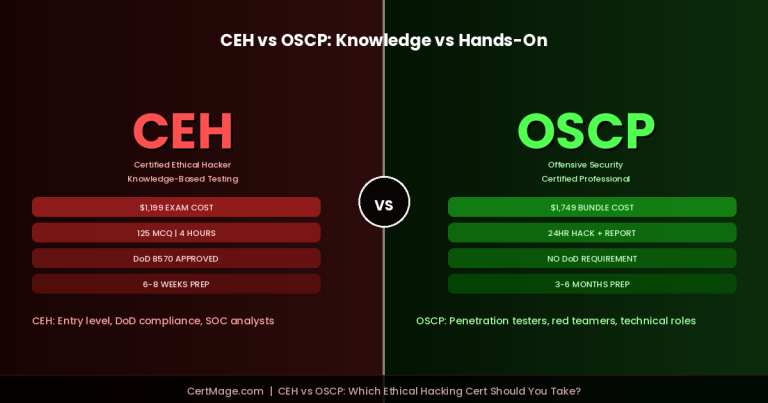
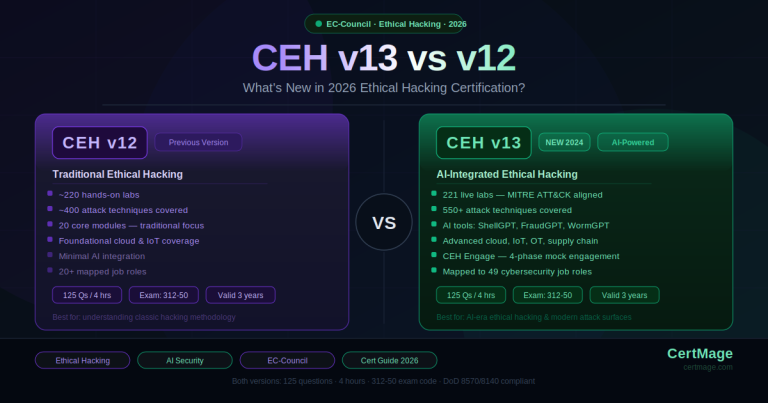
The Certified Ethical Hacker (CEH) credential is one of the most well-known certifications in the field of cybersecurity. Offered by EC-Council, this certification covers a range of ethical hacking topics, including penetration testing, network defense, and vulnerability analysis.
Why it’s important:
- Recognized globally as a fundamental certification for ethical hackers.
- Provides a comprehensive understanding of security threats and countermeasures.
2. Offensive Security Certified Professional (OSCP)
The OSCP certification, offered by Offensive Security, is known for being a challenging but rewarding credential. It is considered one of the best certifications for penetration testers and ethical hackers due to its practical exam, which involves completing penetration tests within a limited time.
Why it’s important:
- Highly respected within the penetration testing community.
- The hands-on exam provides real-world experience in exploiting vulnerabilities and breaking into systems.
3. CompTIA Security+
While not specific to ethical hacking, CompTIA Security+ is a great entry-level certification that covers essential cybersecurity principles. It’s often the first certification many aspiring cybersecurity professionals pursue, providing foundational knowledge about networks, security protocols, and risk management.
Why it’s important:
- Perfect for beginners in cybersecurity, providing essential knowledge that will support more advanced certifications.
- A solid foundation for those transitioning into ethical hacking.
4. Certified Information Systems Security Professional (CISSP)
The CISSP certification, offered by (ISC)², is designed for professionals looking to deepen their expertise in managing and governing information security programs. While it’s not strictly an ethical hacking certification, it’s a great credential for ethical hackers who want to expand into broader cybersecurity leadership roles.
Why it’s important:
- Helps develop expertise in managing and securing information systems across an organization.
- Ideal for those who aspire to lead security teams or manage enterprise-level security programs.
5. GIAC Penetration Tester (GPEN)
The GIAC Penetration Tester (GPEN) certification from Global Information Assurance Certification (GIAC) is an excellent choice for those wanting to specialize in penetration testing and vulnerability assessment. The GPEN focuses on techniques such as network penetration, reconnaissance, and advanced attack techniques.
Why it’s important:
- Focuses specifically on pen-testing techniques, giving you practical skills in exploiting vulnerabilities.
- Recognized by employers worldwide as an indicator of advanced penetration testing knowledge.
How to Get Started with Ethical Hacking Certifications
- Choose Your Path: Start with a basic certification like CompTIA Security+ or CEH and then gradually move to more advanced certifications like OSCP or GIAC GPEN as you gain experience.
- Hands-on Practice: Use platforms like Hack The Box, TryHackMe, or OverTheWire to practice real-world ethical hacking techniques.
- Stay Updated: Cybersecurity is an ever-evolving field, so it’s important to stay updated with the latest threats and technologies.
Job Opportunities and Career Paths in Ethical Hacking
As the need for cybersecurity professionals continues to rise, ethical hackers find themselves with exciting job opportunities across various industries. Ethical hacking is not just a career choice—it’s an evolving field offering diverse roles, career growth, and the chance to work on the frontlines of digital security.
In this section, we’ll explore the different career paths in ethical hacking, the job titles you can expect to encounter, and the industries that are hiring ethical hackers.
Potential Career Paths for Ethical Hackers
While many people think of ethical hackers solely as penetration testers, the field offers a variety of career paths. Let’s explore the most common roles and career trajectories you can pursue in ethical hacking.
1. Penetration Tester (Pen Tester)
Penetration testers are ethical hackers hired to conduct security assessments by attempting to exploit weaknesses in systems, applications, and networks. Their goal is to identify vulnerabilities that could be used by malicious hackers and provide recommendations for mitigating those risks. Pen testers work in both internal security teams and third-party cybersecurity firms.
Typical responsibilities:
- Conduct penetration tests on systems, networks, and web applications.
- Write reports detailing vulnerabilities and how they can be exploited.
- Collaborate with other security professionals to patch vulnerabilities.
2. Security Consultant
Security consultants are hired by businesses or government agencies to assess the overall security of their infrastructure. These professionals evaluate existing security policies, suggest improvements, and help organizations build effective defense mechanisms.
Typical responsibilities:
- Review security systems and identify potential vulnerabilities.
- Provide advice on how to strengthen the security infrastructure.
- Conduct risk assessments and security audits.
3. Security Researcher
Security researchers focus on analyzing new vulnerabilities, discovering exploits, and developing security tools that help defend systems. Often working in labs or as part of a team, security researchers contribute to open-source tools, security blogs, and advisories.
Typical responsibilities:
- Discover and document new vulnerabilities in software or hardware.
- Develop new security tools and techniques to detect and prevent attacks.
- Publish research on vulnerabilities and exploits to share knowledge with the community.
4. Incident Responder
Incident responders are cybersecurity professionals who are responsible for investigating security breaches or attacks and mitigating the damage caused. They play a crucial role in minimizing the impact of cyberattacks by identifying the source and preventing future incidents.
Typical responsibilities:
- Analyze security incidents and coordinate response efforts.
- Work with other cybersecurity teams to contain and mitigate attacks.
- Provide reports on the attack’s impact and suggest steps for prevention.
5. Chief Information Security Officer (CISO)
For ethical hackers who aspire to leadership roles, the position of CISO is the pinnacle of a career in cybersecurity. CISOs oversee the overall security strategy of an organization, including budgeting, team management, and risk management.
Typical responsibilities:
- Lead the organization’s cybersecurity strategy and initiatives.
- Manage teams of security professionals and ensure alignment with business objectives.
- Report security risks and concerns to top executives.
6. Bug Bounty Hunter
Bug bounty hunters are freelance security experts who participate in programs where companies offer monetary rewards for discovering vulnerabilities. These individuals work independently, often testing a range of applications or platforms for security issues and earning bounties for legitimate findings.
Typical responsibilities:
- Hunt for vulnerabilities in software, websites, or services.
- Participate in bug bounty programs offered by tech companies (e.g., Google, Facebook).
- Submit detailed reports of vulnerabilities to the company and receive a reward for their findings.
If you’re exploring ethical hacking as a career, it’s also worth looking into other in-demand tech paths. Check out this list of the Top Cloud and IT Certifications in 2026 to see how ethical hacking compares and where it fits in the broader tech landscape.
Industries Hiring Ethical Hackers
Ethical hackers are in demand across virtually every industry, as all sectors are susceptible to cyberattacks. Below are some of the key industries where ethical hackers can find ample job opportunities.
1. Technology Industry
Technology companies—whether they specialize in software, hardware, or telecommunications—are among the largest employers of ethical hackers. As tech companies often deal with large amounts of sensitive data, their need for penetration testing and vulnerability assessment is crucial to safeguarding their products and services.
Job titles in tech:
- Penetration Tester
- Security Engineer
- Software Security Architect
2. Financial Sector
With the rise in digital banking and financial transactions, the financial sector is a major target for cybercriminals. As a result, banks, investment firms, and insurance companies invest heavily in cybersecurity to protect their data, assets, and customer information.
Job titles in finance:
- Cybersecurity Analyst
- Security Consultant
- Security Operations Center (SOC) Analyst
3. Government & Defense
Government agencies and defense contractors are critical employers for ethical hackers, especially for roles that involve national security. Cybersecurity plays a huge role in protecting military systems, government networks, and critical infrastructure from cyberattacks.
Job titles in government:
- Government Security Advisor
- Cybersecurity Analyst (Defense)
- Information Assurance Specialist
4. Healthcare Industry
The healthcare industry has become a growing target for cyberattacks due to the value of medical records and sensitive patient information. Ethical hackers are needed to ensure that hospitals, insurance companies, and pharmaceutical organizations can protect patient privacy and prevent data breaches.
Job titles in healthcare:
- Healthcare Security Consultant
- Medical Device Security Specialist
- Risk Manager (Cybersecurity)
5. Retail & E-Commerce
Retailers and e-commerce platforms store vast amounts of customer data, making them attractive targets for cybercriminals. Ethical hackers are crucial in securing payment systems, protecting customer information, and ensuring that the organization’s e-commerce platform remains safe from cyberattacks.
Job titles in retail:
- E-Commerce Security Analyst
- Web Application Penetration Tester
- Cybersecurity Risk Analyst
6. Consulting Firms
Many consulting firms specialize in cybersecurity services for businesses in various industries. These firms hire ethical hackers to work as security consultants, providing clients with risk assessments, penetration testing, and security audits.
Job titles in consulting:
- Security Consultant
- Cybersecurity Analyst
- Penetration Testing Specialist
Typical Career Growth and Opportunities
A career in ethical hacking can be highly rewarding, with significant growth potential. After starting as a junior penetration tester or security analyst, you can advance to higher roles, such as senior security consultant, security architect, or CISO.
Some common career growth paths include:
- Entry-Level: Security Analyst, Penetration Tester (Junior Level)
- Mid-Level: Senior Penetration Tester, Security Consultant, Network Security Engineer
- Senior-Level: Security Manager, Lead Penetration Tester, Security Architect
- Leadership: Chief Information Security Officer (CISO), Director of Cybersecurity
As the cybersecurity industry continues to expand, ethical hackers will find themselves with more opportunities, higher salaries, and the chance to shape the future of cybersecurity.
Salary Potential and Job Outlook in Ethical Hacking
As ethical hackers play a crucial role in the ever-growing field of cybersecurity, they are well-compensated for their expertise and skills. Ethical hacking has become a highly sought-after profession due to the increasing frequency and sophistication of cyberattacks. In this section, we’ll explore the salary potential for ethical hackers and the job outlook for the field in the coming years.
Salary Potential for Ethical Hackers
The salary of an ethical hacker depends on various factors, including experience, certifications, location, and industry. Below, we’ll break down the salary potential at different levels in an ethical hacking career.
1. Entry-Level Ethical Hackers
For individuals just starting their careers as ethical hackers, salaries are typically lower, but the compensation can still be attractive compared to many other entry-level positions. These roles often include positions like Security Analyst, Junior Penetration Tester, or Cybersecurity Associate.
Salary Range:
- United States: $60,000 – $80,000 per year
- United Kingdom: £25,000 – £40,000 per year
- India: ₹400,000 – ₹700,000 per year
Factors Influencing Salary:
- Completion of foundational certifications like CompTIA Security+ or CEH.
- Knowledge of essential tools like Nmap, Wireshark, and Metasploit.
2. Mid-Level Ethical Hackers
As ethical hackers gain more experience and earn additional certifications, their salaries increase significantly. Mid-level positions include roles such as Penetration Tester, Security Consultant, or Incident Responder.
Salary Range:
- United States: $90,000 – $120,000 per year
- United Kingdom: £40,000 – £60,000 per year
- India: ₹800,000 – ₹1,500,000 per year
Factors Influencing Salary:
- More advanced certifications, such as OSCP, GIAC GPEN, or CISSP.
- Proven experience in conducting successful penetration tests and handling complex security issues.
3. Senior-Level Ethical Hackers
At this stage, ethical hackers have a vast amount of experience and expertise. Senior positions include roles such as Senior Penetration Tester, Security Architect, or Lead Security Consultant.
Salary Range:
- United States: $120,000 – $160,000 per year
- United Kingdom: £60,000 – £90,000 per year
- India: ₹1,500,000 – ₹2,500,000 per year
Factors Influencing Salary:
- Extensive hands-on experience in ethical hacking and penetration testing.
- Leadership skills, in many senior positions that involve managing teams or security programs.
4. C-Suite Ethical Hacking Roles
For those who rise to the top of the cybersecurity field, CISO (Chief Information Security Officer) or CTO (Chief Technology Officer) are potential positions. These roles are not only financially rewarding but also come with a great deal of responsibility, overseeing the security posture of an entire organization.
Salary Range:
- United States: $150,000 – $250,000 per year
- United Kingdom: £100,000 – £180,000 per year
- India: ₹2,500,000 – ₹5,000,000 per year
Factors Influencing Salary:
- Extensive management experience and leadership capabilities.
- An in-depth understanding of organizational security, compliance, and risk management.
Job Outlook for Ethical Hackers
The demand for ethical hackers is expected to grow significantly in the coming years due to the increasing number of cyberattacks, the expansion of the digital economy, and the growing importance of data privacy and security. Below is a look at the job outlook for ethical hackers and why this career path is both stable and rewarding.
1. Increased Cybersecurity Threats Drive Demand
The rise in cybercrime has made cybersecurity a top priority for governments, businesses, and individuals. Ethical hackers are essential to combat these threats by identifying vulnerabilities in systems before malicious actors can exploit them.
Key Factors Driving Demand:
- Ransomware Attacks: Increasingly sophisticated ransomware attacks are leading organizations to invest more in security.
- Data Breaches: High-profile data breaches in industries like healthcare, finance, and retail underscore the need for strong cybersecurity professionals.
- IoT Growth: As more devices connect to the internet (smart homes, wearables, etc.), the number of potential entry points for attackers grows, increasing the need for ethical hackers.
2. Cybersecurity Job Growth Projections
According to the U.S. Bureau of Labor Statistics, the demand for information security analysts (which includes ethical hackers) is projected to grow 35% from 2021 to 2031, which is much faster than the average for all occupations. This increase in demand is expected to be driven by the following:
- Increasing concerns about cybersecurity risks and data privacy.
- The proliferation of internet-connected devices (IoT) increases the complexity of security threats.
- Growing regulatory pressure on organizations to protect data.
Other Industry Growth Estimates:
- LinkedIn and Glassdoor both show cybersecurity jobs increasing steadily, with penetration testers being among the most sought-after professionals in the tech space.
3. Global Demand
Ethical hackers are in demand across the globe, with particularly high needs in regions like North America, Europe, and Asia-Pacific. Countries like the United States, India, and Germany are home to a thriving cybersecurity job market, offering numerous opportunities for ethical hackers with various skill levels.
4. Remote Work Opportunities
The remote work revolution brought on by the pandemic has also impacted the cybersecurity industry. Many organizations now offer remote work opportunities for ethical hackers, enabling them to work for companies located anywhere in the world. This flexibility broadens the potential job market and makes the profession even more attractive to many individuals.
Key Takeaways
- Ethical hackers are highly compensated, with salaries increasing significantly as experience and expertise grow.
- Entry-level ethical hackers can expect salaries ranging from $60,000 to $80,000 annually, while senior roles can bring in $120,000 to $160,000 or more.
- The job outlook for ethical hackers is excellent, with a projected 35% growth in demand over the next decade due to increasing cybersecurity threats and the expansion of the digital economy.
- The field offers diverse career paths and industries to work in, including technology, finance, healthcare, and government.
- The increasing complexity of digital infrastructures, along with the rise in cyberattacks, ensures that ethical hackers will remain in high demand for years to come.
Preparing for a cybersecurity certification like CEH or OSCP? Make sure you’re using trusted study material. This list of the Best Exam Dumps Websites in 2026 can help you find quality practice questions and avoid unreliable sources.
Conclusion
Ethical hacking is a dynamic and rewarding field with excellent salary potential and a strong job outlook. As organizations continue to face evolving cyber threats, the demand for skilled ethical hackers will only grow. Whether you are just starting your career or looking to advance to a leadership position, ethical hacking offers a promising and fulfilling career path with endless opportunities.